Our environmental interventions in Cengio and Saliceto
In the site we carried out the authorised interventions and we manage groundwater monitoring activities in agreement with regulatory agencies.

The regeneration of the former Acna, a century-old production site
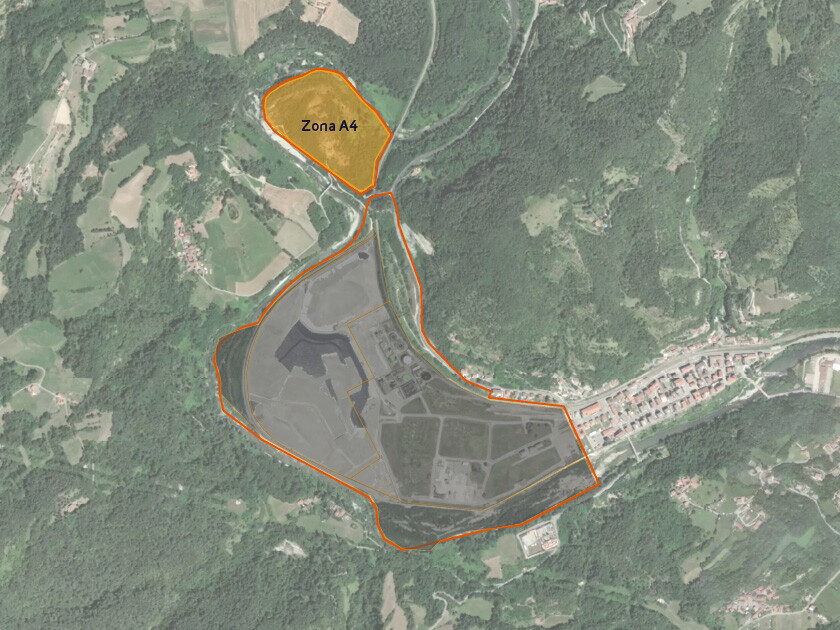
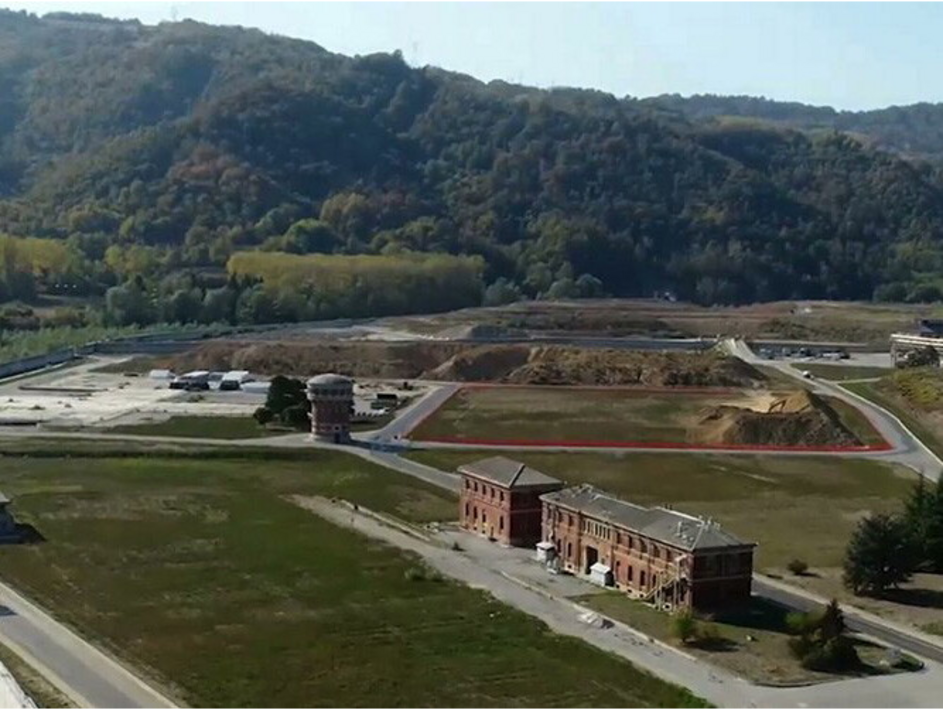
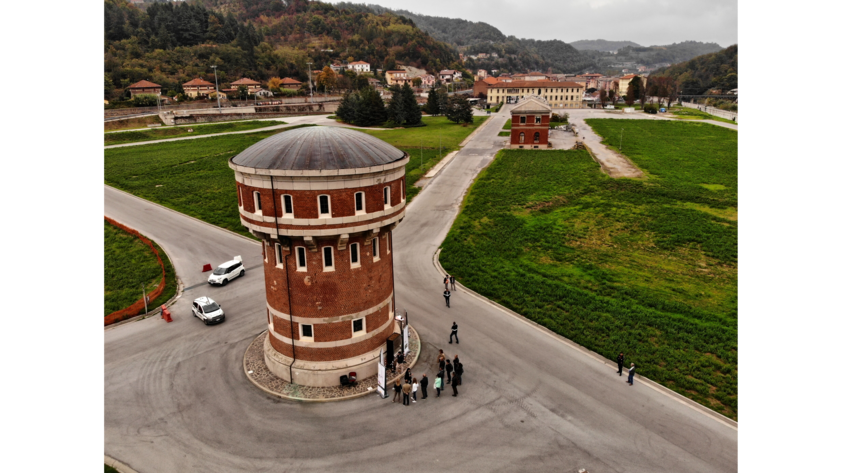
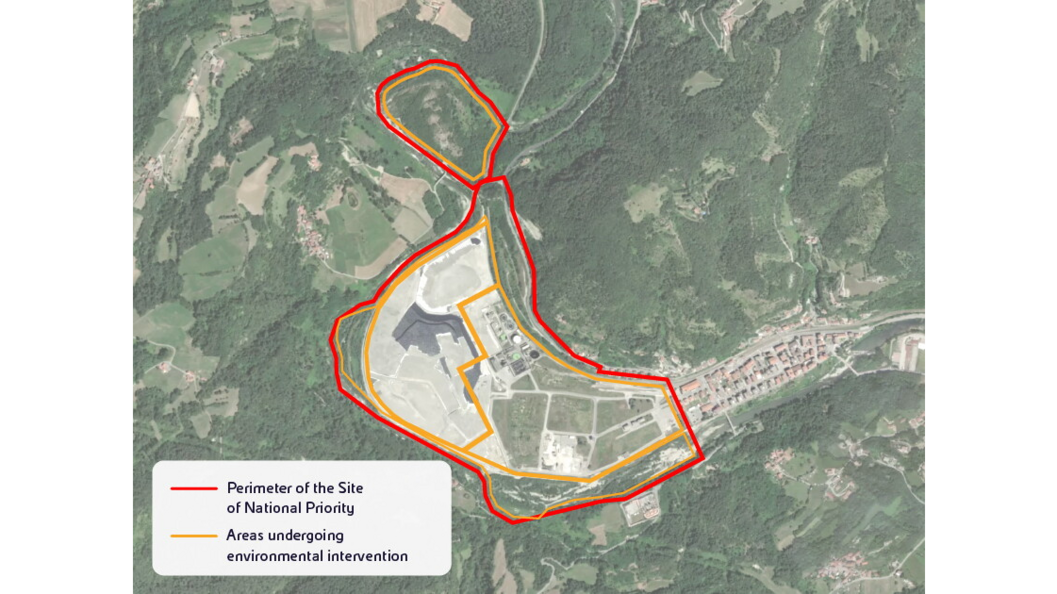
At the historic Cengio site, inherited from the former ACNA (later Montedison) after a century of operation by companies outside the Eni group, we have completed soil remediation projects, making the areas available for new development and requalification initiatives. The plant falls within the Cengio and Saliceto Site of National Priority (SIN), identified in 1998, and is located in the Bormida River valley in the Province of Savona. Given its century-long industrial history, which included the production of dynamite and later of intermediates for dyes and pharmaceuticals, the site's comprehensive remediation plan is part of a Programme Agreement between ACNA (the owner at the time), the ministries of Environment, Industry, and Health, the Regions of Liguria and Piedmont, and the State-appointed Commissioner. With the signing of the Agreement in 2000, the site was divided into four homogeneous zones based on the permanent safety measures and remediation interventions: Zone A1 is designated for the storage of materials, Zone A2 is the plant area where the Torrione, the symbol of Cengio, is located, Zone A3 is the wetland area, and Zone A4, known as Pian Rocchetta, located in a bend on the right bank of the Bormida river, about one kilometre from the industrial site.
In 2006, the Commissioner approved a specific remediation project for each area. We also manage groundwater remediation in the internal and external areas of the site, as well as monitoring activities. As of 31 December 2024, we have spent €489 million on environmental interventions at Cengio.
Cengio and Saliceto: key elements

Environmental remediation
We have carried out the soil remediation interventions envisaged by the site reclamation programme and we are engaged in the management and treatment of groundwater.

Water monitoring
We carry out hydrogeological and hydrochemical monitoring of groundwater both inside and outside the site, in collaboration with control agencies.

Areas valorisation
We make our remediated and certified land available for new development and requalification initiatives with a sustainable and circular approach.
Cengio at a glance
 Location: Italy, Liguria
 Start of the environmental interventions: 1988
Cengio and Saliceto past and present
Site history.
An Agreement for the environmental recovery of the site
The remediation plan is relaunched with a Programme Agreement between Acna, the ministries of Environment, Industry and Health, the Liguria and Piedmont Regions and the State-appointed Commissioner.
Permanent plan closure
Enichem permanently halted the industrial plant.
Enichem takes over Acna’s activities
With the failed Enimont operation, the site's activities passed under the control of Enichem, which, starting in 1993, began downsizing the facilities.
The site passes to Enimont and the recovery plan is launched
Montedison transferred the assets of its subsidiary Acna to Enimont as part of the government's industrial rescue operations. The site's remediation plan began that same year.
Montedison acquires the Acna plants
Montedison acquired Acna’s assets and productive activities.
Acna's industrial activities merged into the Montecatini company.
Acna's industrial activities merged into the Montecatini company
Acna takes over the plant and converts production
The Acna Company converted the plant into a factory for producing intermediates for dyes and pharmaceuticals.
The industrial plant is established
A small Dr. Vitale dynamite factory was established in the area to supply the war industry that was active at that time.
Our activities in Cengio and Saliceto
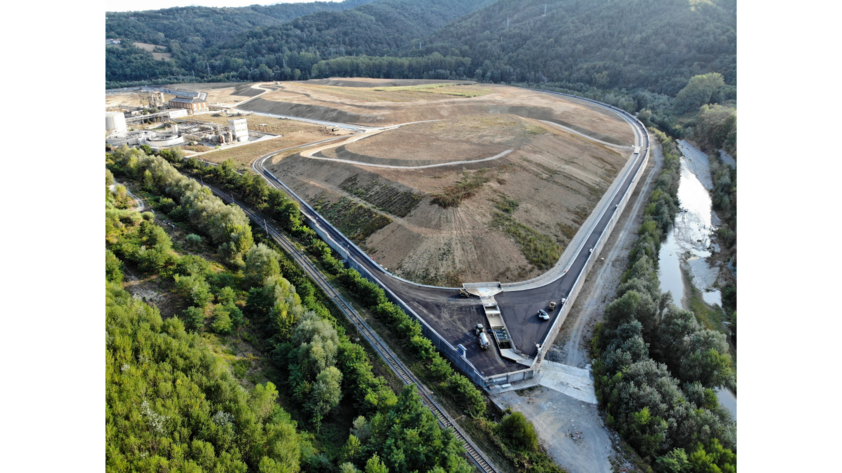
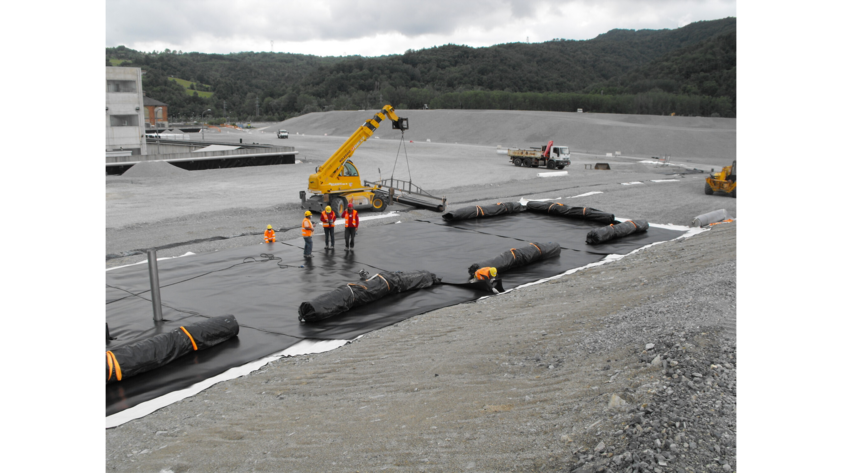
In line with the site remediation plan, we first drained the waterproofed basins (lagoons) in Zone A1, which were used during the plant's productive activities as storage tanks for saline wastewater from industrial operations. We then proceeded to remove approximately 1.5 million cubic meters of contaminated materials from the other three zones into which the site was divided: A2 (former plant area), A3 (wetland area), and A4 (Pian Rocchetta external to the site). The removed materials were then allocated to the Zone A1, which underwent permanent safety measures with surface capping. The capped area, along its perimeter, was delimited by the separation baffle from adjacent areas, as well as from the Bormida River’s flood containment works. Given the site's proximity to the Bormida River basin, a complex physical containment system for groundwater was constructed, paired with an above-ground reinforced concrete wall.
For groundwater and underground aquifers management, as envisaged in the projects for the Zones A2 and A1, a pumping network consisting of 45 wells is in operation and connected to the wastewater treatment plant (ITAR), which also treats water from the Merlo area outside the former industrial complex. We also carry out chemical and piezometric monitoring of both internal and external groundwater, in collaboration with control agencies.
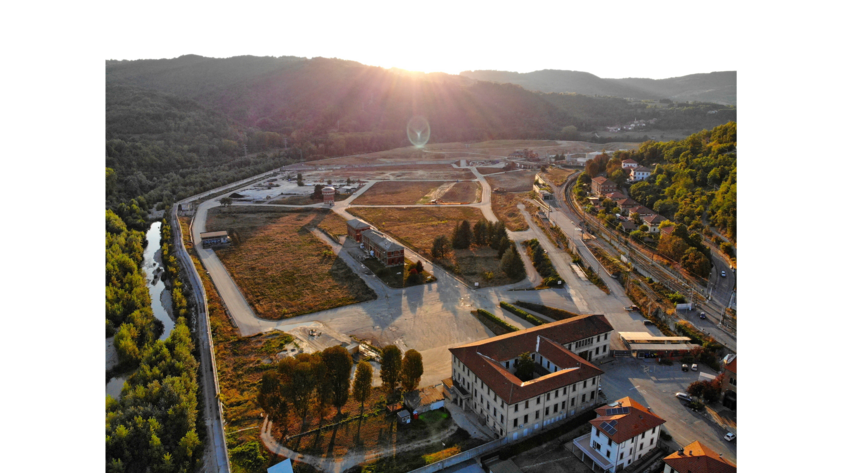
The implementation of environmental interventions — completed for the soil matrix and currently undergoing post-construction monitoring for the groundwater matrix — has made the site areas immediately available for new production initiatives.
The Cengio and Saliceto Site of National Priority
Innovation at the service of safety
The former industrial plant is adjacent to the Bormida River. To prevent water contamination from potential flooding, a complex groundwater physical containment system was built on the site. It extends for 2,500 meters and consists of a plastic diaphragm made of bentonite cement embedded several meters into a layer of impermeable rock (so-called marl). Above the interred diaphragm there is, an above-ground reinforced concrete wall that extends for the same length and rises on average around 5 meters above ground level, for the containment of the Bormida river floods towards the inside of the site. The structure, one of the most significant examples built using this technology for environmental applications, was designed to ensure safety factors adequate for centuries-long (500-year) floods of the river, with a flow rate of 1,750 cubic meters of water per second.
Figures to highlight
Status of the environmental process
The site's remediation plan began in 1988. In 2000, with the signing of a Programme Agreement, the site was divided into four homogeneous zones.
Project approved
The final permanent safety measures project was submitted in 2004 and authorised in 2006 by a provision of the State-Appointed Commissioner.
The updated Executive Project for permanent safety measures, environmental recovery and management was approved by ministerial decree in 2017. The intervention, approved by the Commission in 2022, is awaiting certification from the Province of Savona.
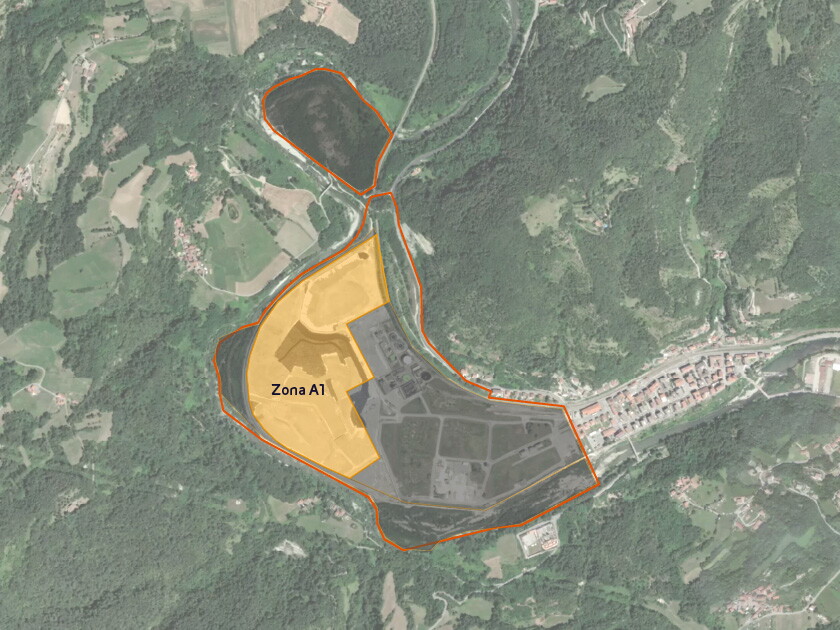
Project approved
The final remediation project with hydraulic containment and safety measures was submitted in 2003 and authorised in 2006 by a provision of the State-Appointed Commissioner. Certification of completed remediation and the return of the area to legitimate uses (commercial/industrial) was issued by the Province of Savona in 2010.
The operative remediation project for Zone A2 bis, which hosts the wastewater treatment plant, was submitted in 2007 and approved the same year by a provision of the State-Appointed Commissioner.
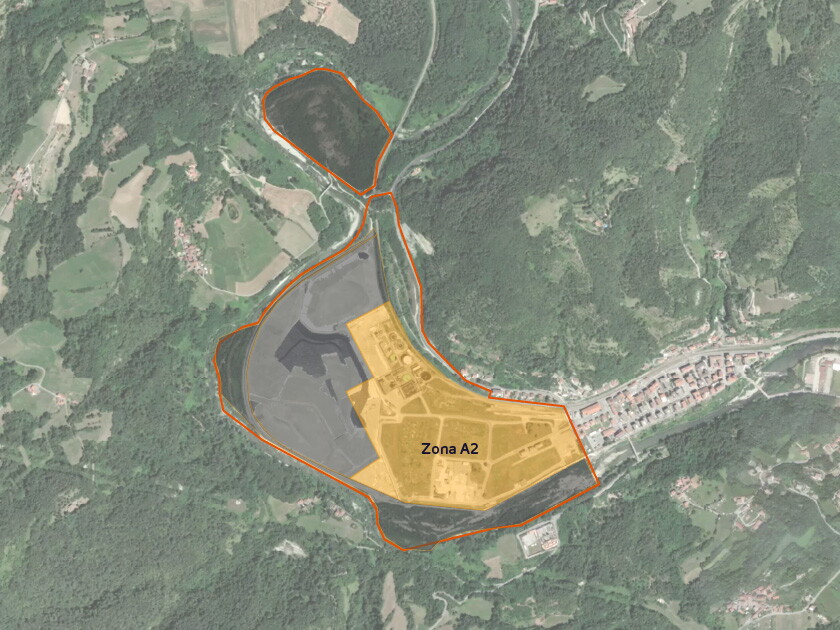
Project approved
The final remediation project was submitted and authorised in 2006 by a provision of the State-Appointed Commissioner.
The addendum to the remediation project was authorised by ministerial decree in 2023.
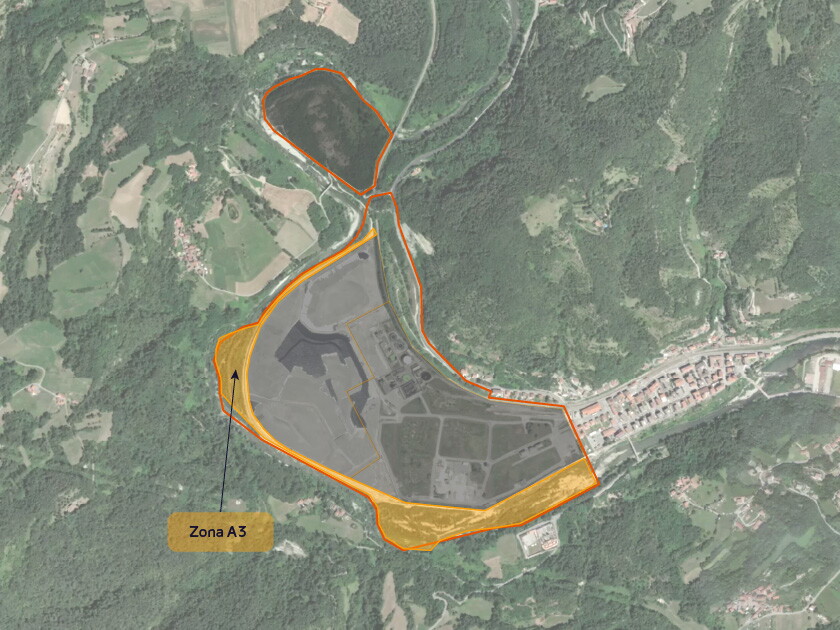
Project approved
The final remediation project was submitted in 2005 and authorised in 2006 by a provision of the State-Appointed Commissioner.
Certification of completed remediation and restitution of the areas to legitimate uses (residential/public parks) was issued by executive acts issued by the Province of Savona in 2010 and by the Province of Cuneo in 2012.